Close
An audio guest book vs written guest book decision starts with what you want to revisit after your celebration. A recording preserves a voice, a pause or a burst of laughter. A written entry preserves handwriting, a signature and words you can read on a page. Both can be personal. The better choice is the one you and your guests will enjoy using.
Picture opening your keepsake a year later. Would you reach for a book on a shelf, press play on a recording, or enjoy having both? That answer is more useful than choosing a format simply because it looks attractive in an event photo.
With a written book, guests can leave a short wish, a shared memory or even a small drawing. You can browse several messages quickly and display the finished book at home. Someone who likes choosing their words carefully may prefer writing, and the handwriting itself can become part of the memory.
An audio guest book captures how a person says something. A familiar nickname, a joke between friends or a story told in a relative’s own voice can add another dimension. Guests do not need a polished speech; a simple message is enough. Equally, nobody should feel pressured to record if writing feels more comfortable.
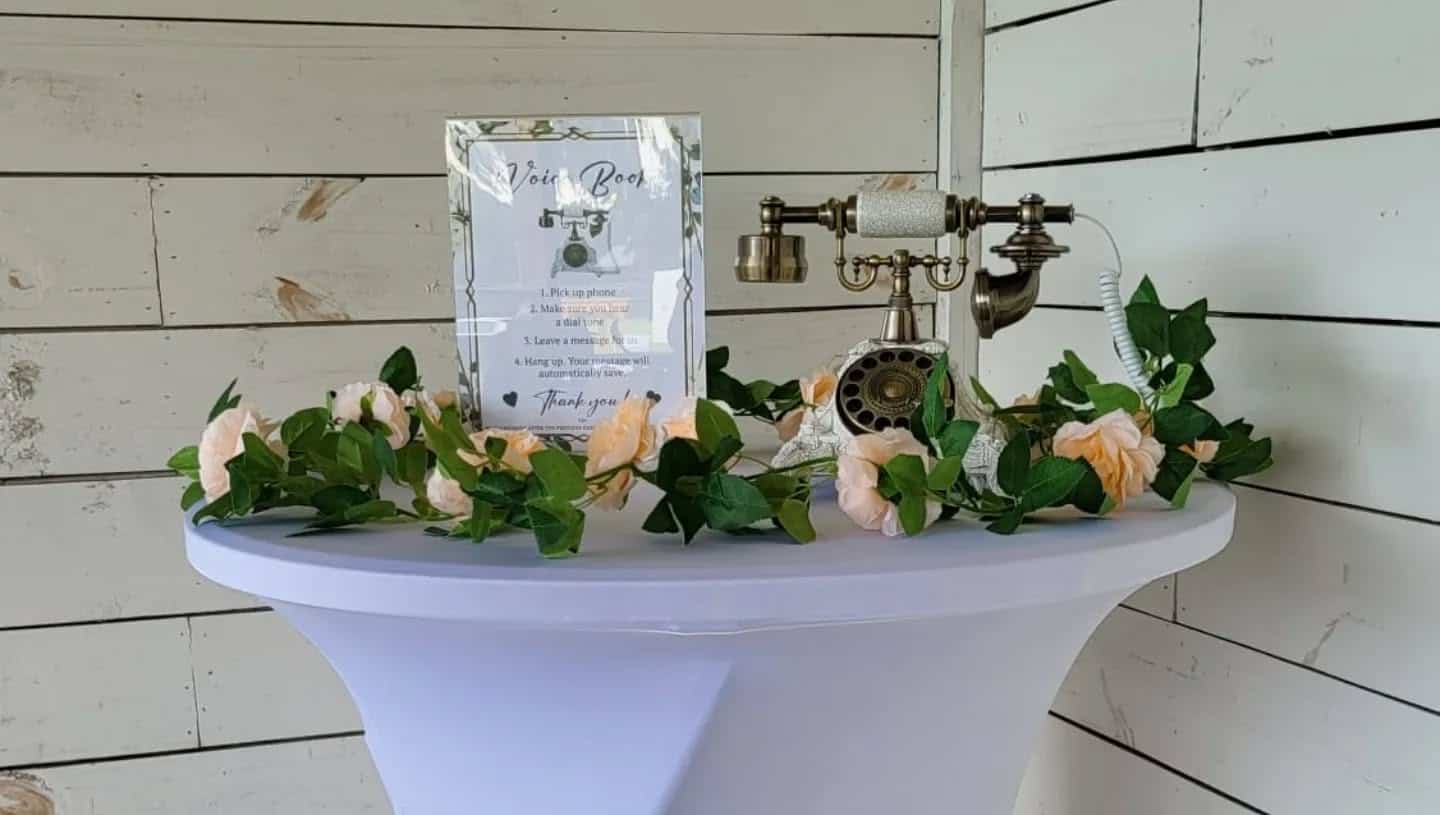
RMJ’s audio guest book rental uses a telephone-style experience: guests listen to a greeting, record after the beep and hang up to save their message. Recordings are delivered digitally after the event. Confirm delivery timing and the details of your booking directly with the team.
Avoid assuming every older guest prefers paper or every younger guest wants to record. Comfort varies from person to person. Some people enjoy telling a story aloud; others freeze when they hear a recording tone. Some find writing easier, while others appreciate being able to speak instead.
Offer clear instructions and a comfortable place to participate. Consider whether guests can reach the table and use the chosen format easily. A trusted helper can explain the process without hovering over someone’s message. When possible, give guests a choice rather than treating participation as another formal activity they must complete.
A written book needs a stable surface, suitable pens and enough light to read and write. Test the pens on the actual paper beforehand, and think about where loose cards or photographs will go if you are using them. Assign someone to collect the finished keepsake at the end so it does not get mixed into venue cleanup.
An audio station needs a location that is easy to notice but comfortable for conversation. Ask the provider about placement and setup requirements. Putting the phone immediately beside a loud speaker may make messages harder to hear, while hiding it in a distant room may mean guests never find it. A nearby, quieter spot can be a practical compromise.
For a Florida celebration with outdoor areas, discuss the approved location and weather backup with the venue and provider. Keep either format protected from spills and unsuitable weather. Do not assume an attractive display in a reference photo will work in your venue’s actual conditions.
A blank page and an open recording can both leave guests wondering what to say. Try one friendly prompt, such as “Tell us a memory that still makes you smile” or “What should we remember about today?” Let people answer briefly or tell a longer story in their own way.
If you choose audio, your opening greeting can explain the process and set a relaxed tone. Our audio guest book greeting ideas offer ways to make that invitation clear. For paper, place a short example beside the book rather than filling every page with instructions.
Yes. A written book can collect signatures and notes while an audio guest book invites spoken stories. Make the options feel optional: guests do not have to repeat the same message twice. You might invite a short written wish and a favorite memory on the phone, or simply let each person choose.
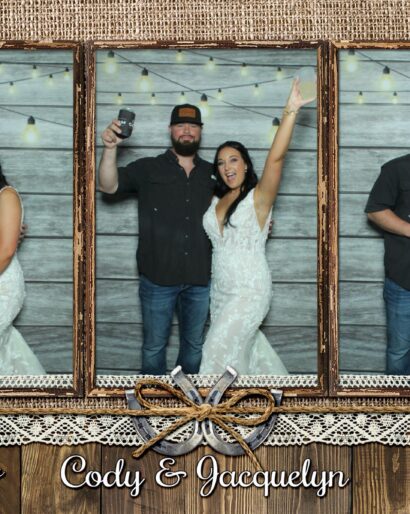
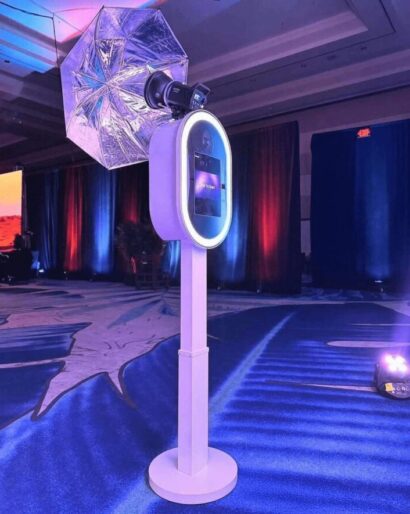
Keep the display easy to understand. Two clearly labeled stations are more useful than a crowded table of unrelated activities. If you also have a photo booth, explain separately how guests receive their photos and whether any prints are intended for a book. Do not assume an album, extra prints or mounting supplies are included in a booth booking.
For paper, decide where the finished book will live and consider photographing meaningful pages as a backup. For audio, ask how files are delivered, how you download them and whether a delivery link has an expiry date. Save your own copies once the recordings arrive rather than relying indefinitely on one online link.
Also decide who you want to share the messages with. A message recorded for you is not automatically something the guest expects to hear on social media. Keep personal stories private unless the speaker is comfortable with wider sharing.
Choose paper if you love a physical collection of handwritten notes. Choose audio if hearing familiar voices is central to the keepsake you want. Choose both if the formats serve different purposes and fit your event plan. None of these choices requires every guest to participate in exactly the same way.
Share your date, venue and preferred guest experience with RMJ, along with any setup or accessibility questions. Check audio guest book availability or explore RMJ’s event experiences to plan the details around your celebration.
Explore music, photo booths and entertainment for your celebration.